
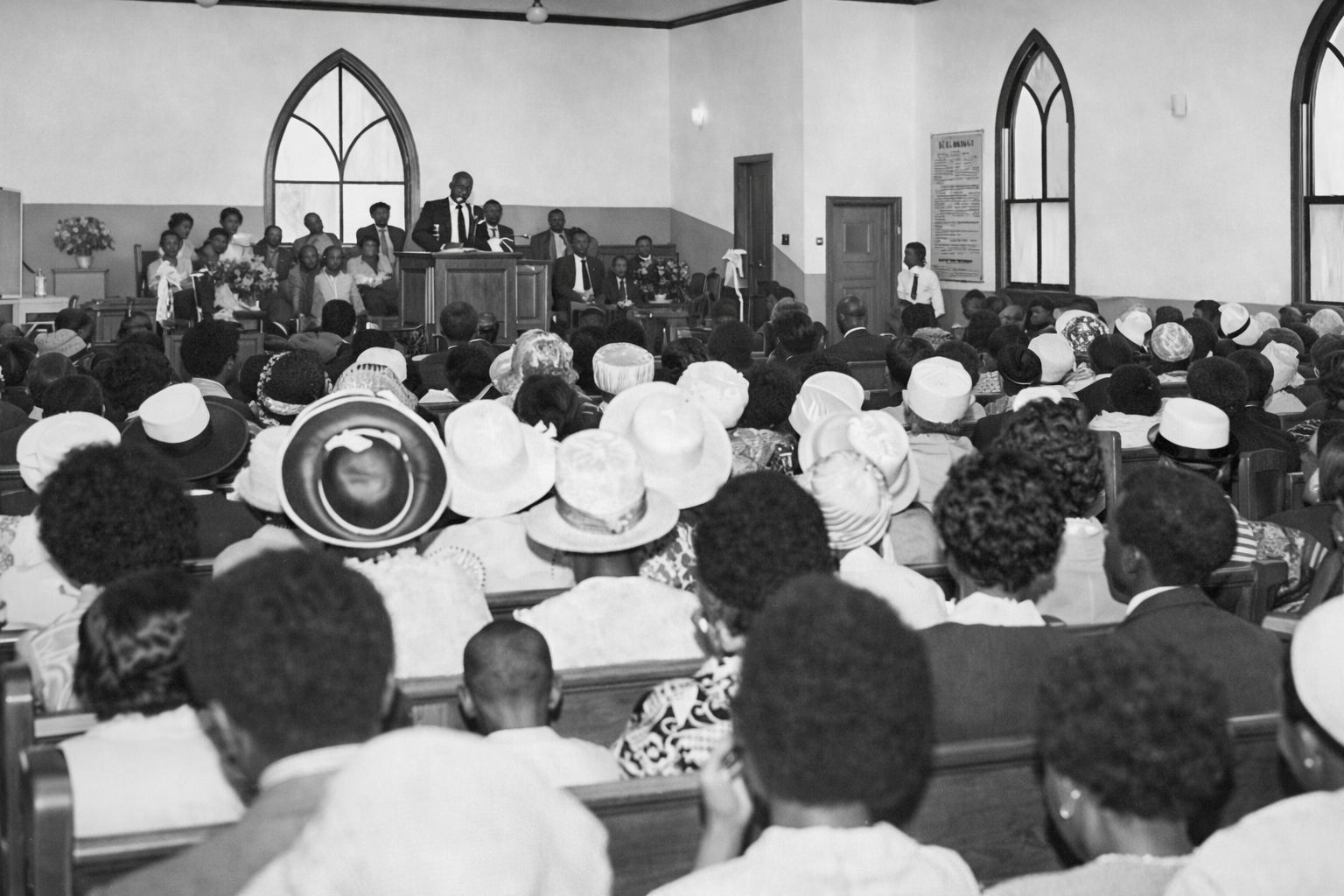
OUR HISTORY
Stafford County’s First African American Church
Founded May 16, 1818
Over 200 years of faith, resistance, and service in Stafford, Virginia.
Before There Was a Building, There Was a Decision
On May 16, 1818, five Black landowners gathered near Roseville in western Stafford County and formed a church. Their names are the only record we have. No journals. No photographs. No building plans. Five names, a pastor, and a date.
That act required more than faith. In 1818 Virginia, it was illegal for Black people to assemble without a white person present. Enslaved and free, it did not matter. The law applied to all. So Reverend Horace Crutcher, a white minister, attended as the legal requirement. Virginia law at the time meant he was the only person allowed to hold the title of founder. The five Black members who owned the land, who made the choice to worship together, who bore the risk of gathering, did not receive that designation.
We hold their names now. We carry what they started.
The founding members of Mount Olive Baptist Church were free Black landowners in Stafford County, Virginia, at a time when the county’s population included approximately 4,200 enslaved people, 350 free Black residents, and 5,400 white residents (1810 census).
They built their first place of worship under a slab-wood arbor. It was an open structure. Temporary. But the congregation it sheltered was not.
Why This History Matters
The Black church in America was the first institution African Americans built and controlled. Before schools, before banks, before any legal recognition, the church was where a community made its own decisions. Mount Olive filled that role in Stafford County for decades before Emancipation. After the Civil War, the Mount Olive community founded Mount Olive School, making education available to Black families long before the county provided it.
In 2014, Stafford County erected a historical marker at the church. In 2018, the Virginia House of Delegates passed a formal resolution honoring Mount Olive on its 200th anniversary, recognizing the Church as Stafford’s first African American congregation.
The historical marker at 395 Mount Olive Road reads:
“They hewed out the wilderness and drew up a highway for coming generations to have a path to follow.”
Mount Olive in the Landscape of Black Stafford
The Trail to Freedom
During the Civil War, more than 10,000 enslaved people crossed the Rappahannock River from Fredericksburg to Falmouth and traveled through Stafford County to reach freedom. Aquia Landing served as the gateway. Henry “Box” Brown passed through Aquia in 1849 after shipping himself in a wooden crate 350 miles from Richmond to Philadelphia. Solomon Northup, whose account became “12 Years a Slave,” traveled this same corridor. John Washington, who kept a diary of his own escape, crossed the Rappahannock into Stafford territory.
The Churches That Followed
After Mount Olive came Bethlehem Primitive Baptist (1868), Shiloh Baptist Church Old Site (1870), Oak Grove Baptist Church (1873), Mount Hope Baptist Church (1880), and Little Forest Baptist Church (1904). Mount Olive was the first. The others grew from the same ground.
Education
The Mount Olive community established Mount Olive School soon after the Civil War, years before any public school was available to Black students in the county. The Rowser Building, constructed in 1939 as the Stafford Training School, became the only place Black students in Stafford County could receive an education beyond seventh grade. It is now listed on the National Register of Historic Places. Full integration of Stafford County schools did not occur until 1964.
Pastoral Leadership Across Two Centuries
1818
1800s
1954-1986
1985-1991
1992-1994
1994-2001
2002-2005
2007-2011
2012-2023
2024
Licensing Milestone: In 1993, Mount Olive licensed Rev. Zolly G. Hawthorne, the church’s first son of the church to be licensed in 175 years. He was ordained in 1998.
From Arbor to Sanctuary
Mount Olive has worshiped in four structures over 207 years.
The slab-wood arbor (1818) was the first. It was open air, rough-hewn, and temporary. It served a congregation that had no legal right to permanence.
An early church building, likely constructed in the late 1800s or early 1900s, replaced the arbor. Photographic records from this era are limited, and the church is actively working to locate and preserve archival images.
In 1959, the fellowship hall building was constructed under Rev. O. C. C. E. Rhodes. This was a significant milestone. For the first time in over 140 years, the congregation had a substantial, modern facility.
The current sanctuary was completed in December 2010 and dedicated in March 2011. It stands at 395 Mount Olive Road, next to the 1959 building, which now serves as the fellowship hall. If you visit, you are stepping into two buildings that represent two different eras of this church’s story, side by side.
Explore Stafford’s African American Heritage
Mount Olive is one of 23 stops on the Stafford African American Heritage Trail, a self-guided digital driving tour covering 300 years of Black history in Stafford County. The trail was developed by Discover Stafford, the University of Mary Washington, historians, and community elders.
A Living Legacy
Five people built this church under a shelter made of rough wood. Over 200 years later, their decision still holds. Pastors have come and gone. Buildings have been raised and replaced. The county around us has changed beyond recognition. Mount Olive is still here. Still worshiping. Still serving. Still open.
“A Church Where Everybody is Somebody for God.”
The Mount Olive Living Museum
From a simple gathering beneath a wooden arbor to the construction of a permanent church building, the story of Mount Olive reflects generations of faith, perseverance, and community. These moments trace how a small congregation near Roseville carved out a place of worship despite the obstacles of their time, gradually building and rebuilding spaces where people could gather, pray, and grow together. Each step in this history represents not just a structure, but the commitment of those who came before, laying a foundation that continues to shape the church today.
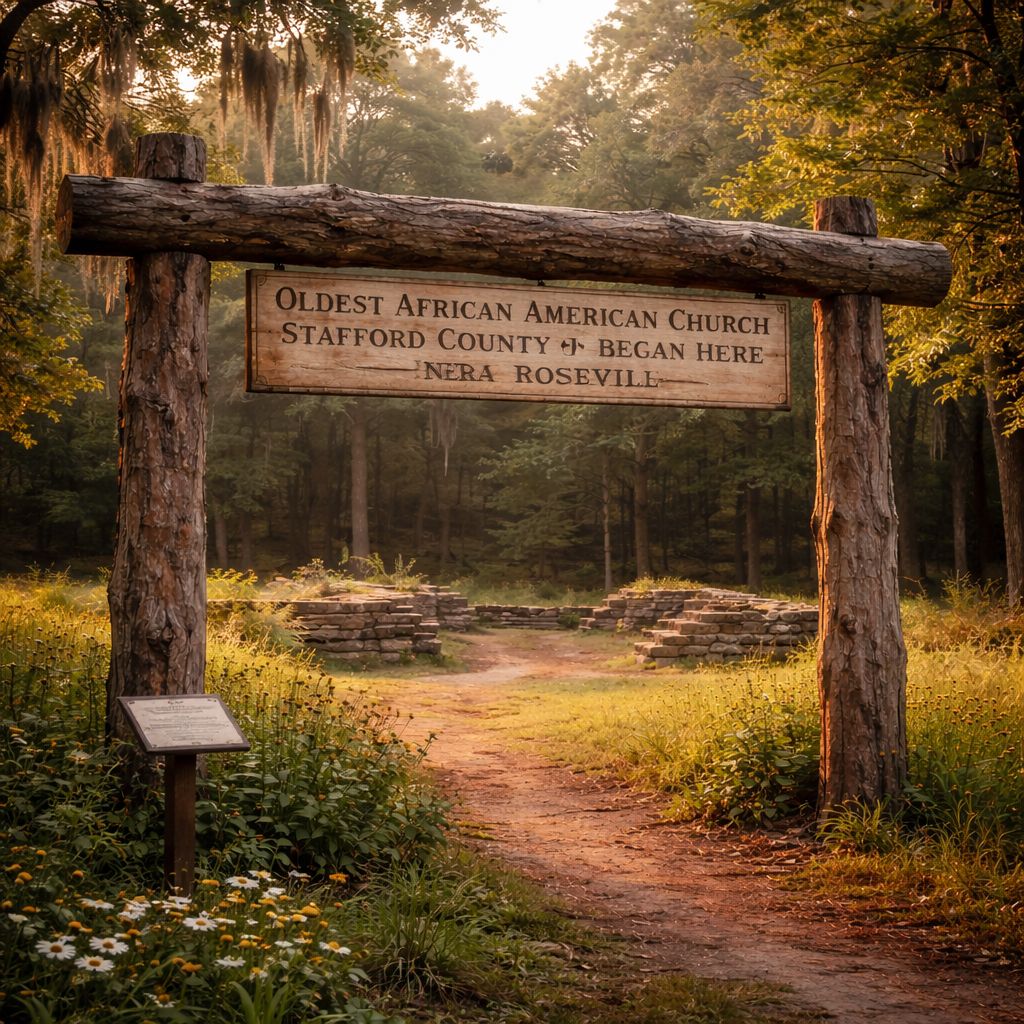
1818. Five founding members. One slab-wood arbor. The oldest African American church in Stafford County began here, near Roseville. 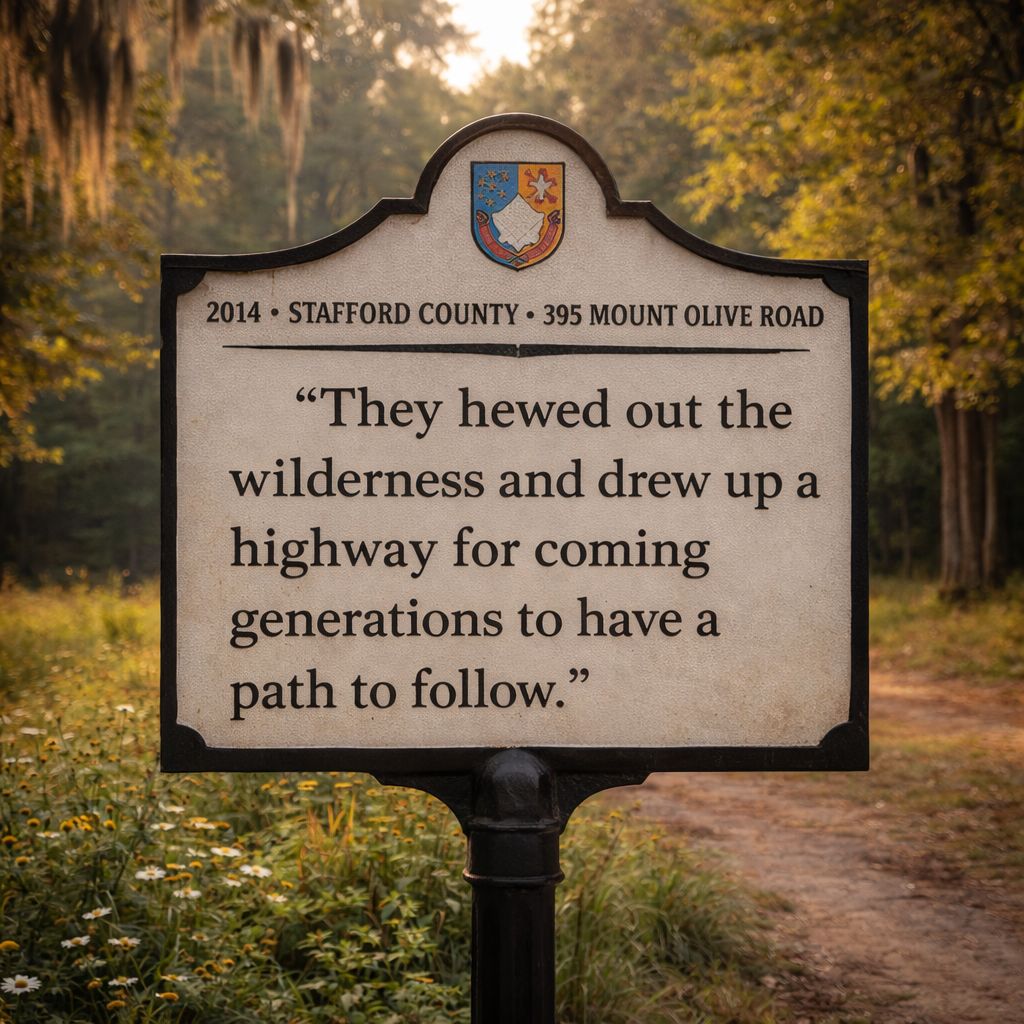
In 2014, Stafford County placed this marker at 395 Mount Olive Road: “They hewed out the wilderness and drew up a highway for coming generations to have a path to follow.” 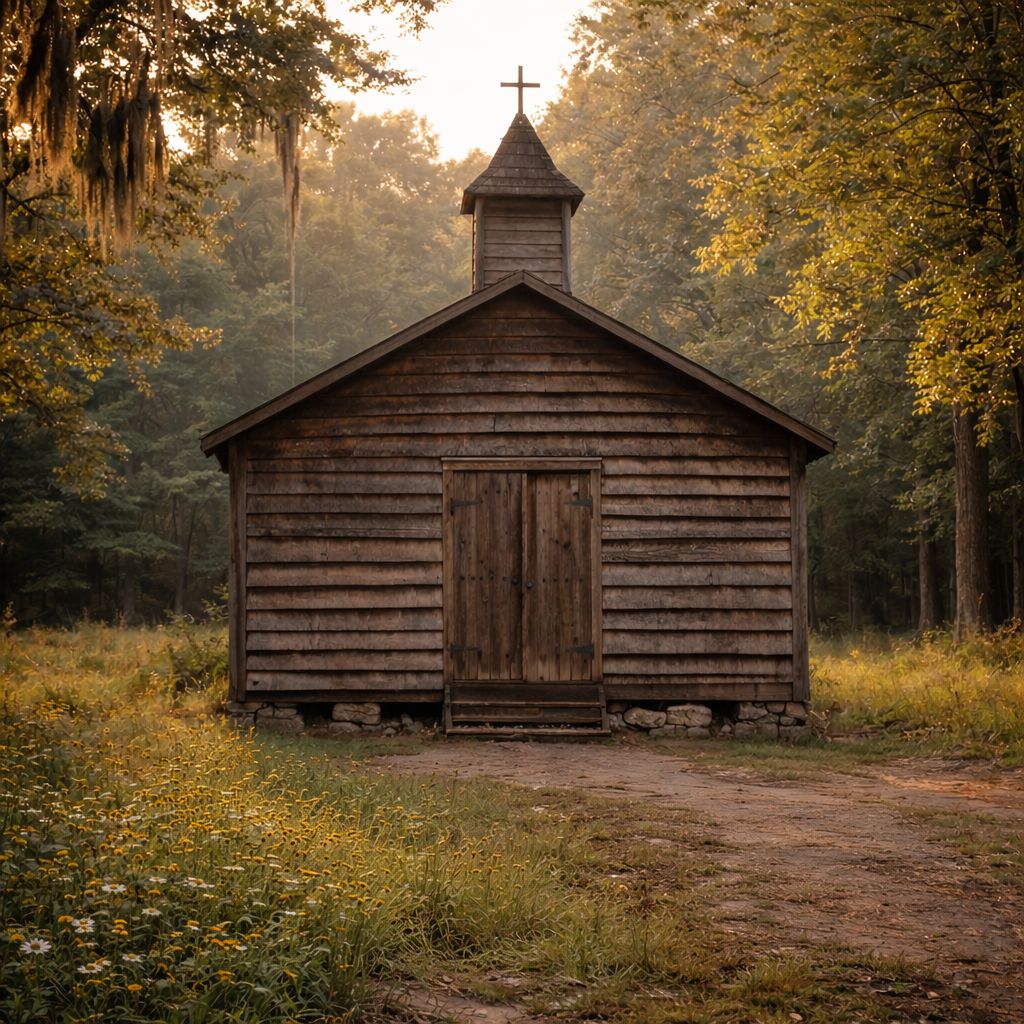
This early church structure replaced the original arbor. The exact construction date is unknown. The congregation worshiped here for decades before the 1959 building. 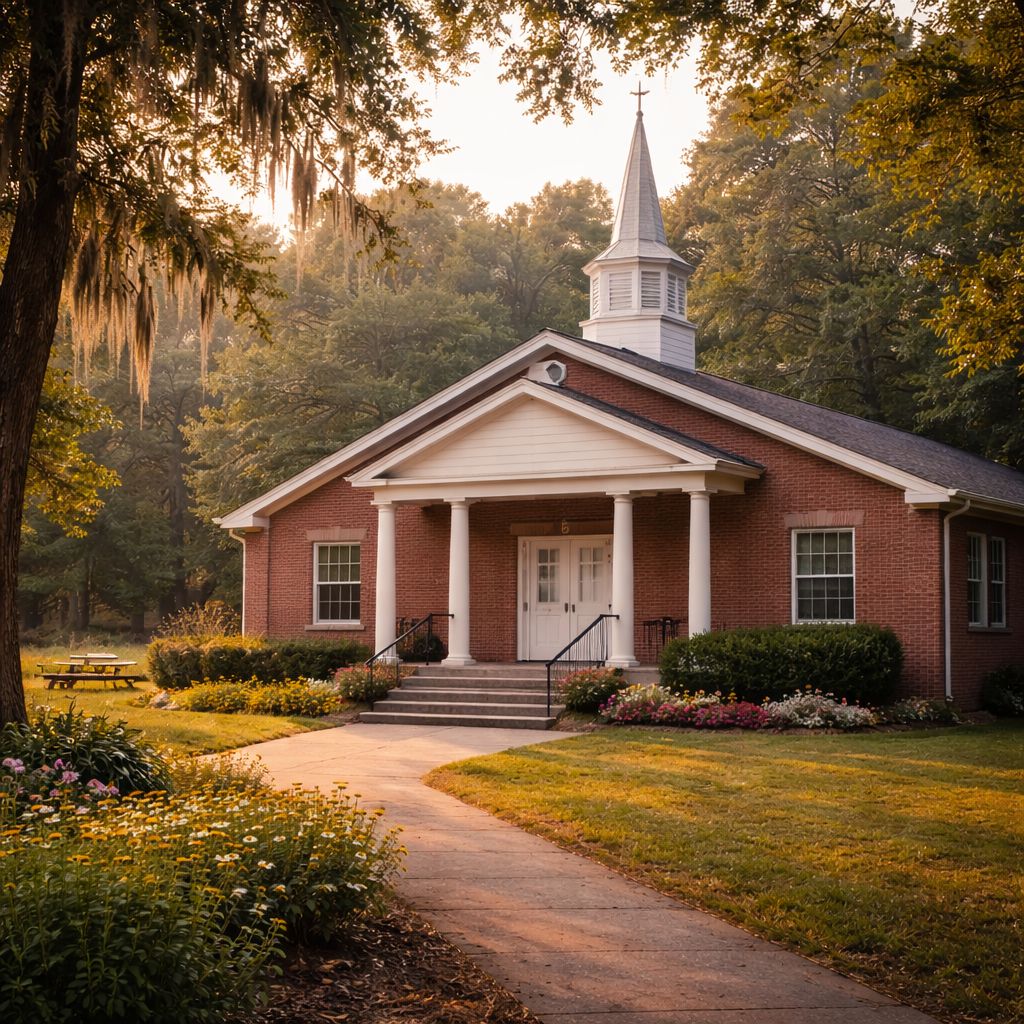
Built under Rev. O. C. C. E. Rhodes. For the first time in over 140 years, Mount Olive had a substantial, modern building. It now serves as the fellowship hall.